Request a Free Quote

Choosing the Right Grade

Not all pallets are created equal. Understanding pallet grades helps you ask for the right product for your needs and budget, without paying for condition you don't need. The descriptions below are common ones, and grading varies by supplier.

Grade A - Premium

The top tier of used pallets. These pallets commonly show light wear and may be close to new. Often chosen for customer-facing applications.

Common characteristics:

  • ✓Little visible wear
  • ✓Boards intact and secure
  • ✓Clean appearance
  • ✓Ask the supplier about capacity

Often used for: Retail displays, higher-value products, customer-visible applications

Grade B - Standard

Serviceable pallets with cosmetic wear. A common choice for everyday warehouse and shipping operations.

Common characteristics:

  • ✓Minor cosmetic wear visible
  • ✓May have minor repairs
  • ✓Intended for general use
  • ✓Ask the supplier about capacity

Often used for: General shipping, warehousing, internal use

Grade C - Economy

Working pallets with visible wear. Often considered for non-critical uses where appearance isn't a concern.

Common characteristics:

  • ✓Noticeable wear and repairs
  • ✓Some discoloration possible
  • ✓Best kept to lighter-duty uses
  • ✓May have reduced capacity

Often used for: One-way shipping, storage, internal operations, tighter budgets

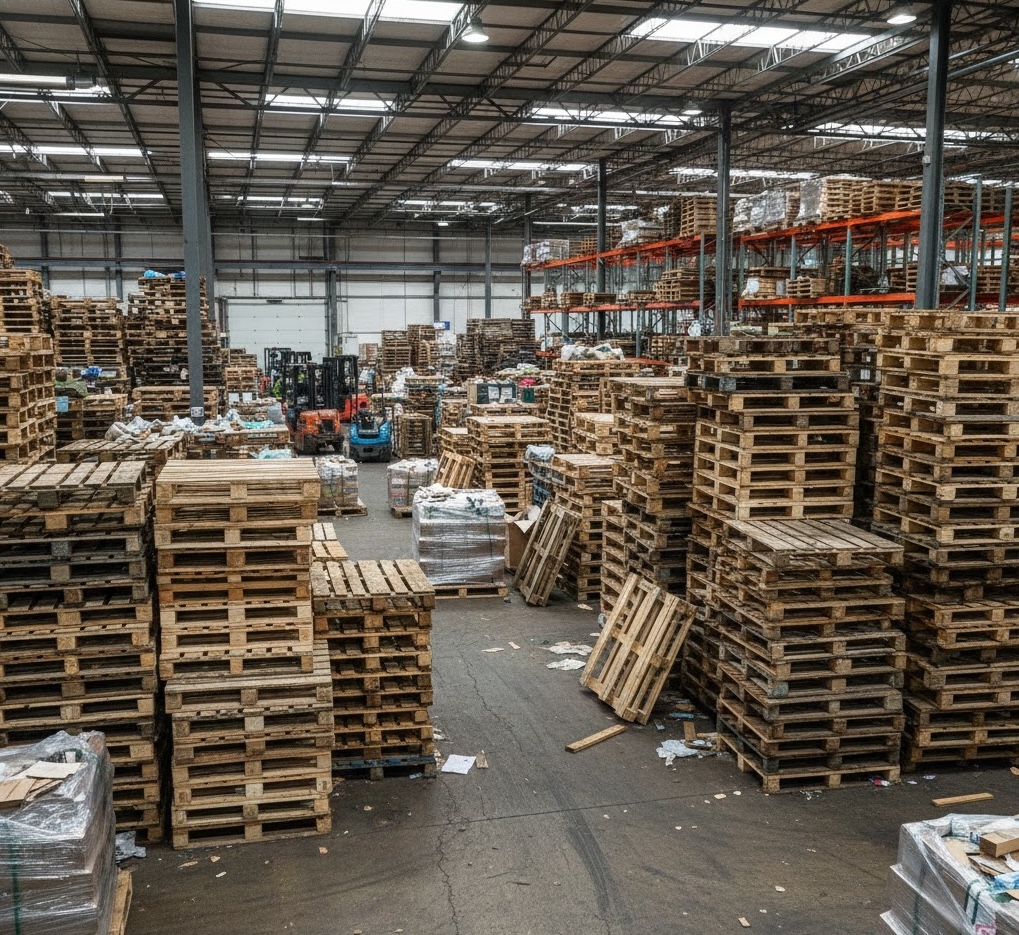
Stacked wooden palletsWood Pallets

Grading Varies by Supplier

There is no single grading scale for used pallets. One supplier's Grade B may look different from another's, so treat a grade name as a starting point and ask what it means in practice.

We don't handle or grade pallets ourselves. We pass your request to a partner supplier, who can explain how they grade and whether a mix of grades is available. Whatever the grade, look over pallets for damage before you put them to use.

  • 🔍Ask how the supplier defines each grade
  • 📈Ask about consistency between orders
  • 💰Match the grade to the job

Grade Comparison

FeatureGrade AGrade BGrade C
ConditionNear-newGoodFair
AppearanceCleanSome wearWorn
Weight CapacityAsk the supplierAsk the supplierAsk the supplier
Relative CostHigherMiddleLower
Export UseIf HT stampedIf HT stampedIf HT stamped
Retail DisplayYesSometimesNo
Repeat UseBetter suitedOften suitedLimited

Grade Suggestions by Use

General guidance to start from; confirm the fit with the supplier

🛒

Retail & Display

Grade A is a common pick for customer-visible applications

Grade A
📦

Warehouse Storage

Grade B is a common pick for internal storage operations

Grade B
🚚

One-Way Shipping

Grade C is often considered for pallets you won't get back

Grade C
✈

Export Shipping

Grade A or B with ISPM 15 heat treatment and stamp

Grade A/B
🏭

Manufacturing

Grade B suits many production settings; ask about consistency

Grade B
🏠

Construction Sites

Grade C is often considered for rough site conditions

Grade C

How Grades Are Priced

Pricing is by quote from partner suppliers

PREMIUM

Grade A

By quote

typically the highest of the three

  • ✓ Near-new condition
  • ✓ Few visible repairs
  • ✓ Clean appearance
STANDARD

Grade B

By quote

typically in the middle

  • ✓ Good condition
  • ✓ Minor wear
  • ✓ Everyday use
ECONOMY

Grade C

By quote

typically the lowest of the three

  • ✓ Visible wear
  • ✓ Lighter-duty use
  • ✓ One-way use

Pricing depends on the supplier, quantity, size, and market conditions. A partner supplier follows up with pricing for your request.

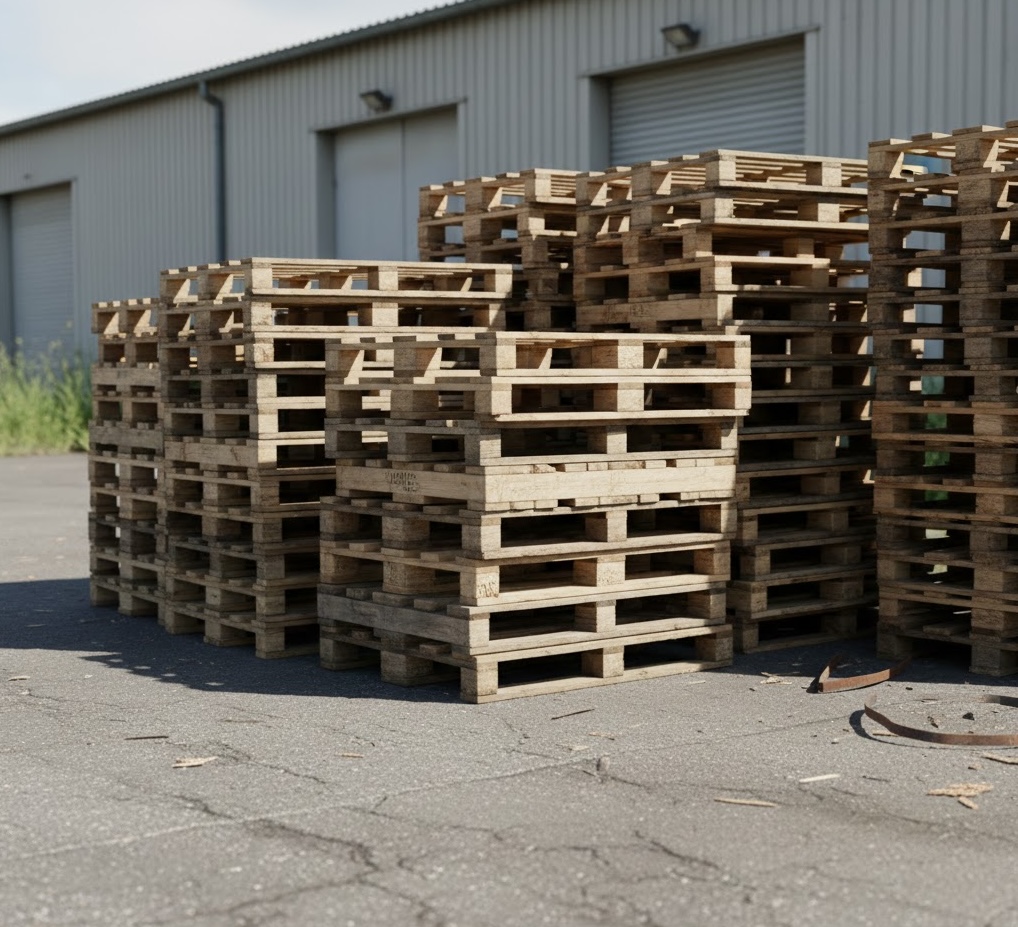
Stacked wooden palletsWood Pallets

How Pallets Are Commonly Graded

Suppliers commonly sort used pallets by looking at the condition of the boards and stringers or blocks, the number and type of repairs, and overall appearance. The exact criteria differ from one supplier to the next.

If you're unsure which grade is right for you, describe your application in your request. A partner supplier can follow up with the options they have available.

  • 🔍Board and stringer condition
  • 💪Number and type of repairs
  • 📝Overall appearance

What Shapes a Quote

Include these details so a partner supplier can respond to your request

Size

48x40

or the size you use

Grade

A, B, or C

or a mix of grades

Quantity

How many

now and in future

Location

Where

your South Florida city

Frequently Asked Questions

Answers to the most common questions customers ask about this page.

What distinguishes Grade A from Grade B pallets?

Grade A pallets commonly show light wear and few repairs, while Grade B pallets may have more cosmetic wear or repairs. Grading varies by supplier.

When is Grade C the right choice?

Grade C pallets are often considered for one-way shipping or internal use where appearance matters less and cost matters more.

Are all grades safe to use?

That depends on the pallet and the load. Ask the supplier about capacity for your use, and check pallets for damage before loading them.

Can I mix grades in one order?

You can ask for a mix of Grade A, B, and C pallets in your request. Availability depends on the supplier.

Which grade works for automation?

Automated systems generally need consistent pallets, so Grade A or a well-matched Grade B is a common starting point. Confirm with your equipment provider.

Are heat-treated options available for each grade?

You can ask for heat-treated pallets in your request. Availability depends on the supplier, and the pallet needs the IPPC stamp for export use.

How are pallets inspected and classified?

Suppliers commonly look at board and stringer condition, repairs, and appearance. We do not inspect pallets ourselves, so ask the supplier how they grade.

Are Grade A pallets suitable for retail displays?

They are a common choice, since a clean appearance matters when customers can see the pallet.

Is every grade always available?

No. Availability depends on partner suppliers and changes over time. A partner supplier follows up with what they have.

Which grade is most cost-effective?

It depends on the use. Grade B is a common choice for general shipping and warehousing, and pricing is by quote from partner suppliers.

Not Sure Which Grade You Need?

Describe your application in a free, no-obligation quote request and a partner supplier follows up with options and pricing.

Request a Quote